Child Car Booster Seat Guide: Belt Fit & Safety Checks
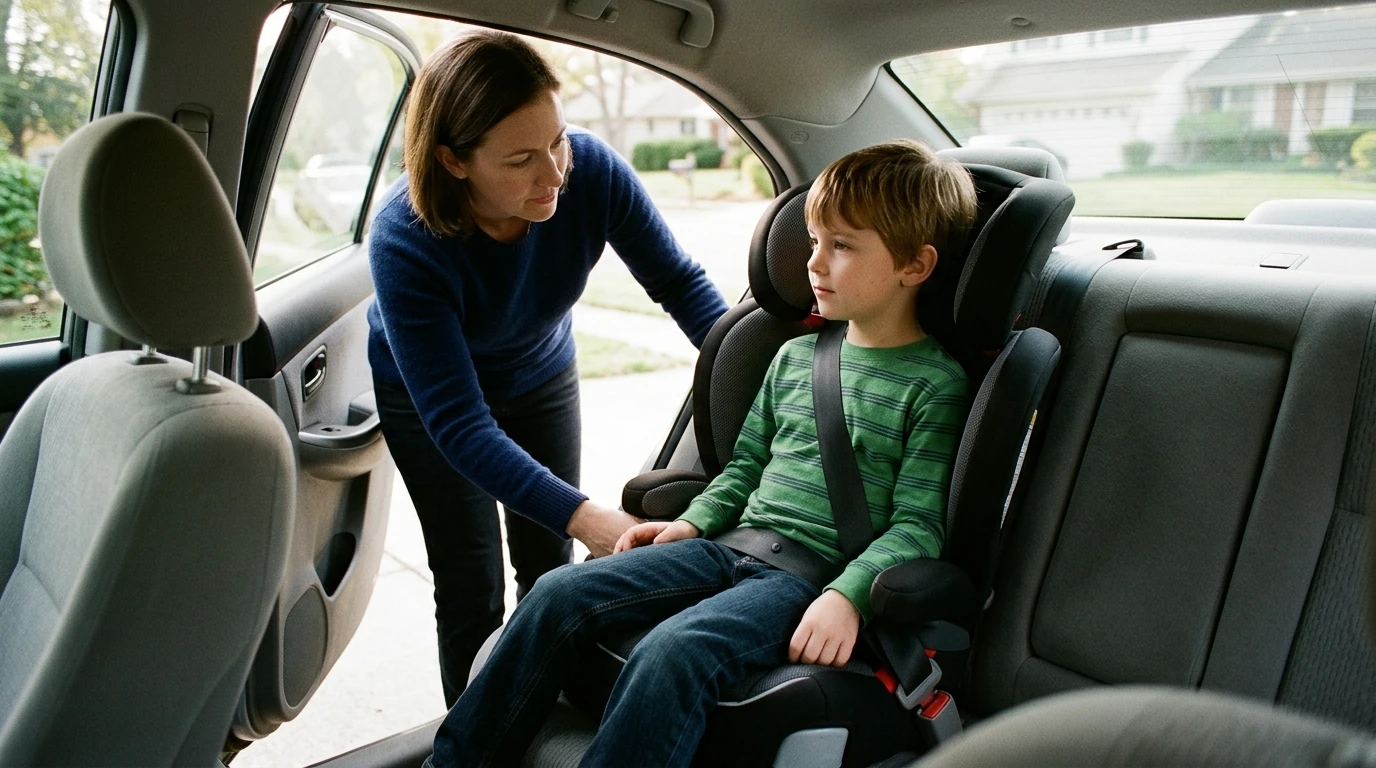
Child Car Booster Seat: Fit, Safety Checks, and Everyday Use
A booster seat helps a child ride safely by positioning the vehicle’s seat belt where it can do its job: across the strongest parts of the body. The right choice depends on a child’s size, the vehicle’s seat and belt geometry, and how consistently the booster can be used correctly on quick errands and long drives. This guide covers booster types, the belt-fit checklist that matters most, installation basics, comfort and convenience features that reduce misuse, and a simple way to confirm readiness for moving on from a booster.
When a Booster Seat Is the Right Next Step
A booster is typically the next step after a child outgrows a forward-facing car seat with a harness. “Outgrows” can mean height, weight, or shoulder position—always follow the specific limits and instructions in that car seat’s manual. The key difference is that a booster doesn’t restrain the child by itself; it positions the child so the vehicle’s lap-and-shoulder belt fits correctly.
The goal is reliable belt fit: the lap belt should sit low across the hips/upper thighs (not on the stomach), and the shoulder belt should lie across the center of the chest and shoulder (not the neck or face). If a child still needs the support and positioning that a harness provides—especially for staying upright and aligned—a booster is not a substitute.
Whenever possible, children should ride in the back seat. Most vehicles are designed so rear seating positions provide better protection for kids, and belt fit is often easier to achieve there. For additional guidance on child passenger safety stages, see NHTSA’s car seat and booster seat information and the American Academy of Pediatrics family guide.
Booster Types and What They’re Best For
Booster seats generally fall into two styles: high-back and backless. Both can work well when the seat belt fits properly and the child can maintain position for the entire ride. The “best” option is often the one that delivers consistent shoulder belt placement in your most-used seating position (and that your child will actually tolerate every day).
High-back boosters
High-back boosters can help guide the shoulder belt and may offer head/upper-body support—especially useful when a child tends to fall asleep and slump. They can also be a better match in vehicles where seatbacks are lower or headrests are limited (as long as compatibility is confirmed in both manuals).
Backless boosters
Backless boosters are typically lighter and easier to move between vehicles, which is helpful for carpools, shared custody, and travel. They generally require adequate vehicle head restraint support and good belt geometry so the shoulder belt doesn’t ride into the neck.
Quick comparison of booster styles
| Type | Best for | Watch-outs |
|---|---|---|
| High-back booster | Vehicles needing extra belt guidance or head/upper-body support | Ensure proper shoulder belt routing; confirm compatibility with vehicle headrests/seatbacks |
| Backless booster | Easy portability, carpools, travel, vehicles with supportive headrests | Must have head restraint support; shoulder belt must not cut into neck |
| Booster with added comfort features | Long rides, kids sensitive to belt pressure | Extra padding should not interfere with belt path or cause lap belt to ride up |
The Belt-Fit Checklist That Matters Most
Booster seat success is mostly about belt fit and consistency. Take two minutes to do a real-world check in the exact seating position your child will use most often—center and outboard belts can sit very differently.
If any part of the fit fails, try a different booster style, adjust the booster’s headrest/belt guide, or test another seating position. Independent belt-fit evaluations are also available from the Insurance Institute for Highway Safety (IIHS).
Installation and Daily Use: Small Steps That Prevent Big Mistakes
Comfort and Practical Features That Help Real-World Compliance
Featured Option: Child Car Booster Seat
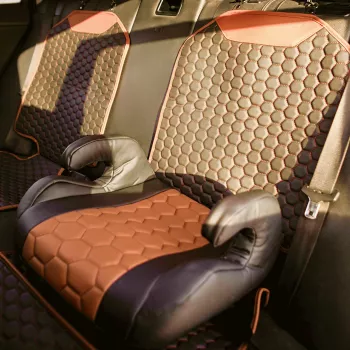
If the priority is improving seat belt fit for a child who has outgrown a harnessed seat and can sit properly for the full ride, consider the Child Car Booster Seat. Before committing, test belt fit in the specific seating position you’ll use most often, because belt geometry can vary from center to outboard seats.
Helpful Add-Ons for Day-to-Day Travel
- Vintage Design Fashion Shoulder Messenger Bag for keeping wipes, snacks, and small items organized so kids aren’t tempted to twist around to reach the floor or back seat pockets.
- The Smart Traveler’s Guide to Global Etiquette (digital download) for families planning vacations and airport transfers where consistent booster use matters in ride shares and rentals.
FAQ
When can a child switch from a harnessed car seat to a booster seat?
A child can switch after they’ve outgrown the harnessed seat based on the manufacturer’s height/weight/fit limits and they can sit correctly for 100% of every trip. Always confirm the harnessed seat manual and then verify lap-and-shoulder belt fit with the booster in your vehicle.
Is a high-back booster safer than a backless booster?
Either can be safe if the seat belt fits correctly and the child stays properly positioned. A high-back booster may help with shoulder belt positioning and sleeping posture, while a backless booster can work well when the vehicle provides proper head support and good belt geometry.
How do you know when a child is ready to stop using a booster seat?
Use the 5-step belt fit test: the child sits back, knees bend at the seat edge, lap belt stays low on the thighs, shoulder belt crosses the chest/shoulder, and they can stay positioned for the whole trip. Age and height rules vary by location, so confirm local requirements as well.







Leave a comment